
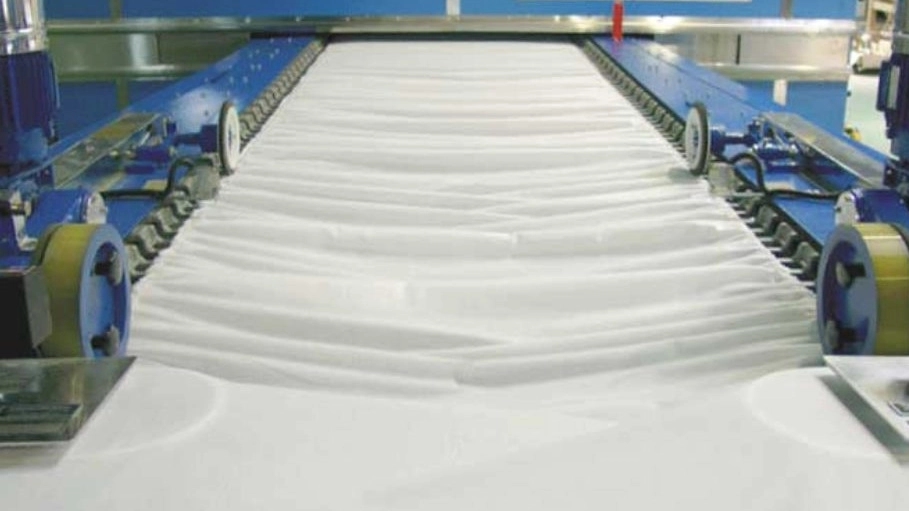
Fabric, this interwoven layer of natural and artificial fibers can be considered one of the most necessary and practical human inventions. , weaving and compression of fibers are formed. With this introduction, we want to go to the subject of fabric finishing and know how this process is done.
Fabric finishing is a process that is used on yarn, fibers and fabric to improve the properties and or adding properties The new one is said to be done to them; The purpose of the final finishing operation is to increase the quality of the fabric and make the fabric more pleasing to the customer. The fabric of any fiber that is produced must have general and specific characteristics, for example, one of the general characteristics for all customers. It is important that the fabric does not shrink or that the water does not leak or that the color of the fabric remains constant after washing and does not change or become white.
But as we said, there are some characteristics of special fabric that are for special purposes. are used, for example some fabrics They have higher resistance to heat or some of them are waterproof. Some fabrics are also resistant to tearing and stretching. Fabrics are also produced that have antibacterial properties; These types of fabrics are used in different uses and industries.
Types of Fabric Completion Process
Preliminary finishing
This operation is a prelude to entering the fiber into the spinning stage or preparing the fabric for printing or dyeing the fabric; The preliminary finishing operation includes several steps.
Washing of fibers: This step is especially focused on wool fibers because wools are dirty after picking and have an unpleasant smell and must be washed.
Carbonization: Washing the wools to prepare them for the weaving stage is not enough because the raw wools contain grease and burrs, and to remove them, they must be treated with a strong acid. and hydrolyzed the khashak and finally it turns into charcoal and the impurities are separated from it by shaking the fibers. Washing the fabric: Washing the fabric is very important in the finishing stages of the fabric. Because the fabrics that are produced in the weaving section become dirty and may become greasy and oily, these dirts and fats must be removed by washing in order to prepare for the next steps.
Intermediate finishing
The intermediate finishing process includes operations that are performed to improve fabric properties and add new properties; Intermediate finishing includes:
Steaming the thread to stabilize the warp to stabilize the color and whiteness.
Bleaching is a process in which the fabric is whitened with the help of bleaching materials to have a better appearance and also Dyeing and printing on them should be done better.
The mercerization that is done on cotton fibers is done in order to better absorb dyes and materials by the fabric.
Ahar Zani also before Weaving is done on warp threads.
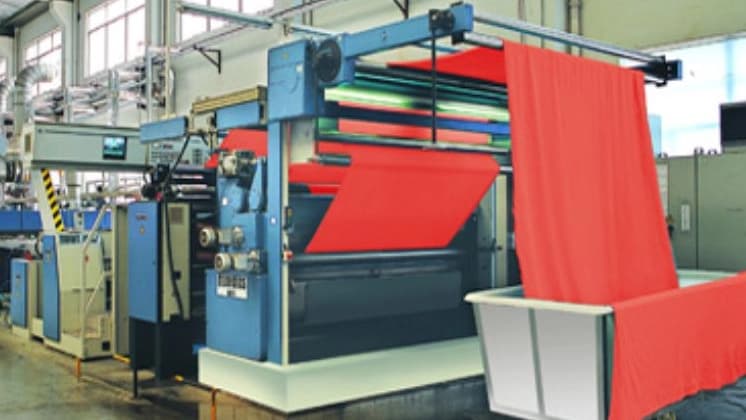
Completion of Fabric Level
Finishing the fabric surface is a type of fabric finishing method that is done on most fabrics and there are different methods for it:
Candling method: This method that was done in the past With the pressure created by the roller, the fabric could be beaten by the roller and take on a paper-like state. But this method is obsolete due to chemical methods today.
Stentering method: This method, which is performed with a stenter machine, is often used for round woven fabrics; With the help of this machine, the fabrics are wetted and then dried after being woven, so that the characteristics such as resistance to temperature, as well as preventing the loss of fabric width and dimensions during washing, are strengthened in these fabrics.
Final Completion
Final finishing is the last stage that textiles go through, at this stage the fabrics are packed and sold. p>At this stage, chlorination of wool is done, this operation is done to prevent deterioration and felting of the appearance of the wool fabric. At this point Also, the fabrics are resistant to water penetration so that water penetration into the fabric is reduced.
It can be said that light whitening, stabilization of the fabric width and ruffling are also done in the final finishing stage of the fabric.
Completion of the fabric to prevent alluvium:
Considering that the fabrics are subjected to pressure or stretching during production and are in a loose state during washing, it causes the fabric to decrease in size after washing, and this is a big problem in the textile industry, but for To solve this problem, there are methods to reduce the amount of alluvium.
These methods include: the zero-zero method, the pressurized alluvium method, the Sanforizing method and...
< /p>